|
 |
 |
|
|
|
 |
|
 |
|
 |
MASTERS - 117
Contemporary Artists
MUSEUM QUALITY print &
ebook
edition
Hardcover 264
PAGES
8.5X8.5 IN
/22x22 cm
Publisher Masters of Today (MOT)
ISBN
9789189685185 |
|
FAMOUS -
121 Contemporary Artists
MUSEUM QUALITY print &
ebook
edition
Hardcover 264
PAGES 8.5X8.5 IN /22x22 cm
Publisher Masters of Today (MOT)
ISBN
9789189685116 |
|
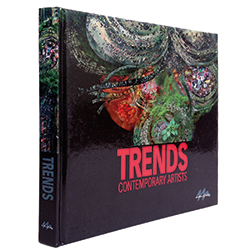
tRENDS
-136
100
Contemporary Artists
MUSEUM QUALITY print &
ebook
edition
Hardcover 168
PAGES 8.5X8.5 IN
/22x22 cm
Publisher Masters of Today (MOT)
ISBN
9789189685178 |
| |
|
|
|
|
 |
|
 |
|
 |
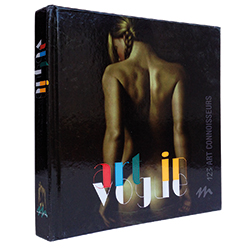
Art in Vogue -123
Contemporary Artists
MUSEUM QUALITY print &
ebook
edition
Hardcover 224
PAGES 8.5X8.5 IN /22x22 cm
Publisher Masters of Today (MOT)
ISBN:
9789189685130 |
|
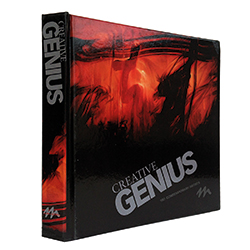
Creative GENIUS -100
Contemporary Artists
MUSEUM QUALITY print &
ebook
edition
Hardcover 240
PAGES 8.5X8.5 IN /22x22 cm
Publisher Masters of Today (MOT)
ISBN:
9789189685154 |
|
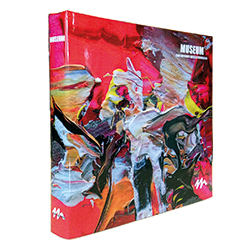
MUSEUM -
CONTEMPORARY Artists SHOWCASEs
MUSEUM QUALITY print &
ebook
edition
Hardcover 280 PAGES
8X6 IN /20X15 CM
Publisher Masters of Today (MOT)
ISBN
9789189685291 |
|
|
|
|
|
 |
|
 |
|
 |
ART UNLIMITED -
101
Contemporary Artists
MUSEUM QUALITY print &
ebook
edition
Hardcover 280 PAGES 8.5X8.5 IN /22x22 cm
Publisher Masters of
Today (MOT)
ISBN
9789189685284 |
|
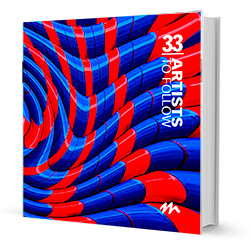
36
Artists to follow
MUSEUM QUALITY print &
ebook
edition
Hardcover 448 PAGES 8.5X8.5 IN /22x22 cm
Publisher Masters of
Today (MOT)
ISBN
9789189685390 |
|
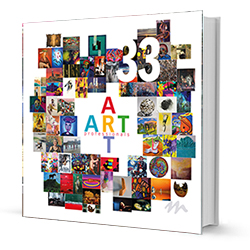
ART PROFESSIONALS -33
Contemporary Artists
MUSEUM QUALITY print &
ebook
edition
Publisher Masters of
Today (MOT)
Hardcover
416 PAGES 8.5X8.5 IN /22x22 cm
ISBN 9789189685352 |
|
|
|
|
|
 |
|
 |
|
 |
|
ART
NOW -Int'l Recognized Artists
MUSEUM QUALITY print &
ebook
edition
Publisher Masters of Today (MOT)
Gate fold covers 220 PAGE
Size
8.5X8.5 IN /22x22 cm
ISBN
978918968529 |
|
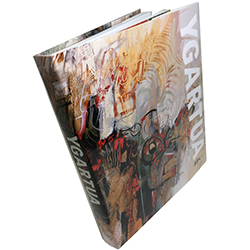
Ygartua | paul ygartua
| vol 1
authentic Signed & Numbered Bibliophile
limited edition collector book
Publisher Masters of Today (MOT)
Hardcover 224 PAGES
12¼x10 in | 31,5x25 cm
ISBN 9789189685123 |
|
Paul Ygartua:
-The Work Of A Genius
| vol
2
authentic Signed & Numbered
Bibliophile
limited edition collector book
&
ebook
Publisher Masters of Today (MOT)
Hardcover 328 PAGES 12¼x10 in | 31,5x25 cm
ISBN
9789189685444 |
|
|
|
|
|
 |
|
 |
|
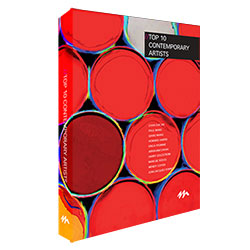 |
Top 10 Contemporary Artists
| VoL 1
MUSEUM QUALITY &
ebook
edition
Publisher Masters of Today (MOT)
Hardcover 288 PAGES 12¼x10 in | 31,5x25 cm
ISBN
9789189685413 |
|
Top 10 Contemporary Artists
| VoL 2
MUSEUM QUALITY &
ebook
edition
Publisher Masters of Today (MOT)
Hardcover 288 PAGES 12¼x10 in | 31,5x25 cm
ISBN
9789189685437 |
|
Top 10 Contemporary Artists
| VoL 3
MUSEUM QUALITY &
ebook
edition
Publisher Masters of Today (MOT)
Gate fold 288 PAGES 12¼x10 in | 31,5x25 cm
ISBN
978918968550 |
|
|
|
|
|
 |
|
 |
|
 |
Top 10 Contemporary Artists
| VoL 4
limited edition collector book
&
ebook
Publisher Masters of Today (MOT)
Gate fold 288 PAGES 12¼x10 in | 31,5x25 cm
ISBN
9789189685512 |
|
Top 10 Contemporary Artists
| VoL 5
limited edition collector book
&
ebook
Publisher Masters of Today (MOT)
Gate fold 288 PAGES 12¼x10 in | 31,5x25 cm
ISBN
9789189685499 |
|
Top 10 Contemporary Artists
| VoL 6
limited edition collector book
&
ebook
Publisher Masters of Today (MOT)
Gate fold 288 PAGES 12¼x10 in | 31,5x25 cm
ISBN
9789189685468 |
|
|
|
|
|
 |
|
 |
|
 |
|
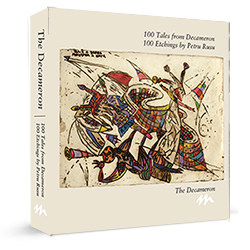
The
Decameon: 100 tales from decameron
on 100
etchings by Petru
Rusu
authentic Signed &
Numbered
Bibliophile
limited edition collector book
&
ebook
Publisher masters of today (mot)
Hardcover 232 PAGES 13x13
in | 35x35 cm
ISBN
9789189685369 |
|
ose
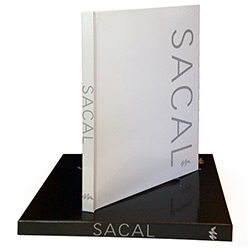
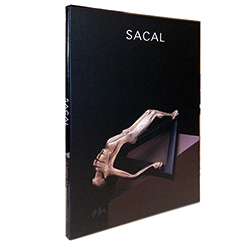
SACAL | VOL 2
authentic Signed & Numbered Bibliophile
limited edition collector book
Publisher Masters of Today (MOT)
Hardcover 168 PAGE 12¼x10 in | 33,5x23,5 cm
ISBN
9789189685086 |
|
PHILIPPE THELIN
BIBLIOPHILE limited edition collector book
Publisher Masters of Today (MOT)
Hardcover 120 PAGES
12¼x10 in | 31,5x25 cm
ISBN
978918968537612¼x10 in | 33,5x23,5 cm
ISBN 9789189685383 |
|
|
|
|
|
 |
|
 |
|
 |
The
Art World of Rien Vorgers
authentic Signed & Numbered Bibliophile
limited edition collector book
Publisher Masters of Today (MOT)
Hardcover 48 PAGES
12.4X10 In /25x31 cm
ISBN
9789189685253 |
|
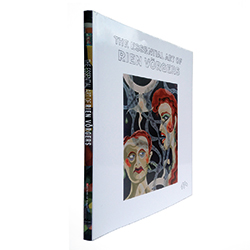
The Essential Art Of Rien Vorgers
authentic Signed &
Numbered Bibliophile
limited edition collector book
Publisher Masters of Today (MOT)
Hardcover 64 PAGES
8.5X8.5 IN /22x22 cm
ISBN
9789189685260 |
|
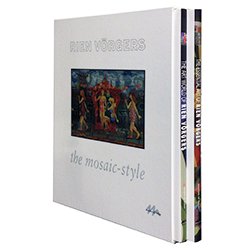
The Art of Rien Vorgers - 2 book box
authentic Signed & Numbered Bibliophile
limited edition collector book
Publisher Masters of Today (MOT)
Box Size
12.4X10 In /25x31 cm
ISBN 9789189685277 |
|
|
|
|
|
 |
|
 |
|
 |
Agnes “Agili” Parcesepe
- ARTWORKS]
authentic Signed & Numbered Bibliophile
limited edition collector book
Publisher Masters of Today (MOT)
Hardcover 248 PAGES
12¼x10 in | 33,5x23,5 cm
ISBN 9789189685383 |
|
dREMSCAPE
[
LEON OKS ]
BIBLIOPHILE limited edition collector book
Publisher WORLD OF ART (WOA)
Hardcover 104 PAGES
12¼x10 in | 31,5x25 cm
ISBN
9789189685192 |
|
Art
ADDICTION -
100
Contemporary Artists
collector edition by
WOA
Publisher WORLD OF ART (WOA)
Hardcover 208 PAGES 8X6
IN /20X15 CM
ISBN
9789189685055 |
|
|
|
|
|
 |
|
 |
|
 |
Sacal: A
Piece of Work
| 2nd Edition
authentic Signed &
Numbered Bibliophile
limited edition collector book
Publisher Masters of Today (MOT)
Hardcover 66 PAGES 12¼x10 in | 33,5x23,5 cm
ISBN
9789189685369 |
|
Landscape & Bread [ Mar lie Burton-Roche ]
BIBLIOPHILE limited edition collector book
Publisher WORLD OF ART (WOA)
Hardcover 106 PAGES
12¼x10 in | 31,5x25 cm
ISBN 9789189685017 |
|
Amazing!
[ VICTOR HAGEA ]
authentic Signed & Numbered Bibliophile
Publisher WORLD OF ART (WOA)
Hardcover 66 PAGES
12¼x10 in | 31,5x25 cm
ISBN
9789189685239 |
|
|
|
|
|
 |
|
 |
|
 |
Venezia [ Andrea Zanatta
]
BIBLIOPHILE limited edition collector book
Publisher WORLD OF ART (WOA)
Hardcover 66 PAGES
12¼x10 in | 31,5x25 cm
ISBN
9789189685048 |
|
Watercolor [ Ligia
Podorean-Ekstrom ]
BIBLIOPHILE limited edition collector book
Publisher WORLD OF ART (WOA)
Hardcover 66 PAGES
12¼x10 in | 31,5x25 cm
ISBN
9789189685000 |
|
Emotional Swirl [ Mary
Anne Wardach ]
BIBLIOPHILE limited edition collector book
Publisher WORLD OF ART (WOA)
Hardcover 66 PAGES
12¼x10 in | 31,5x25 cm
ISBN 9789189685079 |
|
|
|
|
|
 |
|
 |
|
 |
ART
POOL
-
111 Contemporary Art profiles
MUSEUM QUALITY &
ebook
edition
Publisher Masters of Today (MOT)
Hard and soft cover
Pages 116 Size 8.5X8.5 IN /22x22 cm
ISBN 9789189685314 |
|
Door to the Dreams
[ Henryk Szydlowski ]
BIBLIOPHILE limited edition collector book
Publisher WORLD OF ART (WOA)
Hardcover 94 PAGES
12¼x10 in | 31,5x25 cm
ISBN
9789189685031 |
|
ART IN ISRAEL -
Contemporary Artists
MUSEUM QUALITY print &
ebook
edition
Hardcover 116
PAGES 10.5x9.5 in/26X24 CM
Publisher Masters of Today (MOT)
ISBN
9789189685093 |
|
|
|
|
|
 |
|
 |
|
 |
Vietnamese School [ Van
Que ]
BIBLIOPHILE limited edition collector book
Publisher WORLD OF ART (WOA)
Hardcover 120 PAGES
12¼x10 in | 31,5x25 cm
ISBN
9789189685161 |
|
Still
Life
[ Van Que ]
BIBLIOPHILE limited edition collector book
Publisher WORLD OF ART (WOA)
Hardcover 120 PAGES
12¼x10 in | 31,5x25 cm
ISBN
9789189685208 |
|
Nature-Woman [ Van Que ]
BIBLIOPHILE limited edition collector book
Publisher WORLD OF ART (WOA)
Hardcover 120 PAGES
12¼x10 in | 31,5x25 cm
ISBN
9789189685147 |
|
|
|
|
|
 |
|
 |
|
 |
Paradise Found [ Van Que
]
BIBLIOPHILE limited edition collector book
Publisher WORLD OF ART (WOA)
Hardcover 120 PAGES
12¼x10 in | 31,5x25 cm
ISBN
9789189685222 |
|
Wet
Paint
[ Van Que ]
BIBLIOPHILE limited edition collector book
Publisher WORLD OF ART (WOA)
Hardcover 120 PAGES
12¼x10 in | 31,5x25 cm
ISBN 9789189685246 |
|
Van Que - 5 Books ART
Box
BIBLIOPHILE limited edition collector book
Publisher WORLD OF ART (WOA)
Hardcover 120 PAGES
12¼x10 in | 31,5x25 cm
ISBN 9789189685215 |
|
|
|
|
|
 |
|
 |
|
 |
|
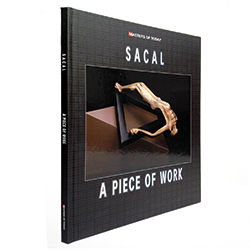
Sacal
: A
Piece of Work
| VOL 1
limited edition collector book
Publisher WORLD OF ART (WOA)
Hardcover 66 PAGES 12¼x10 in | 31,5x25 cm
ISBN
9789189685024 |
|
Vibrant Abstract
[Darla Farner]
BIBLIOPHILE limited edition collector book
Publisher WORLD OF ART (WOA)
Hardcover 66 PAGES
12¼x10 in | 31,5x25 cm
ISBN 9789189685109 |
|
The Woo den Church
Reghin 1725
Transylvania - Place where Sky meets with
MUSEUM
QUALITY collector edition BY WOA
Publisher WORLD OF ART (WOA)
Hardcover 66 PAGES 12¼x10 in | 31,5x25 cm
ISBN 9789189685062 |
|
|
|
|
|
 |
|
 |
|
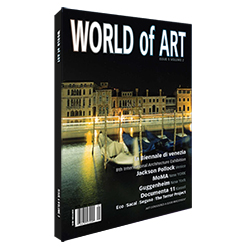 |
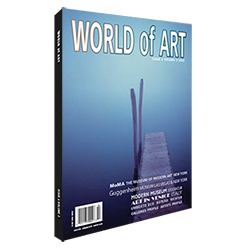
World of Art -
Contemporary Art Magazine
ISSUE 2 VOLUME 1 2001
Publisher WORLD OF ART (WOA)
Softcover 98 PAGE
10.8x8.4x0.8 in |29x21 cm
ISSN 1404-3408 | |
|
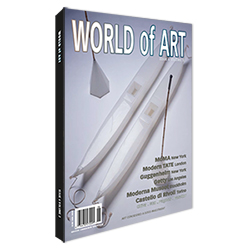
World of Art -
Contemporary Art Magazine
ISSUE 3 VOLUME 2 2002
Publisher WORLD OF ART (WOA)
Softcover 98 PAGE
10.8x8.4x0.8 in |29x21 cm
ISSN 1404-3408 | |
|
World of Art -
Contemporary Art Magazine
ISSUE 5 VOLUME 1 2002
Publisher WORLD OF ART (WOA)
Softcover 98 PAGE
10.8x8.4x0.8 in |29x21 cm
ISSN 1404-3408 | |
|
 |
|
 |
|
 |
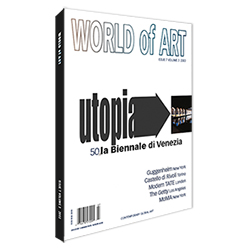
World of Art -
Contemporary Art Magazine
ISSUE 6 VOLUME 2 2003
Publisher WORLD OF ART (WOA)
Softcover 98 PAGE
10.8x8.4x0.8 in |29x21 cm
ISSN 1404-3408 | |
|
World of Art -
Contemporary Art Magazine
ISSUE 7 VOLUME 3 2003
Publisher WORLD OF ART (WOA)
Softcover 98 PAGE
10.8x8.4x0.8 in |29x21 cm
ISSN 1404-3408 | |
|
World of Art -
Contemporary Art Magazine
ISSUE 8 VOLUME 2 2019
Publisher WORLD OF ART (WOA)
Softcover 220 PAGE
10.8x8.4x0.8 in |29x21 cm
ISSN 1404-3408 | ISBN 9789189685406 |
|
|
|
|
|
 |
|
 |
|
 |
|
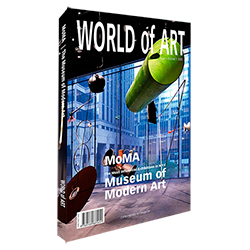
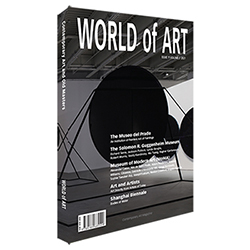
World of Art -
Contemporary Art Magazine
ISSUE 9 VOLUME 1 2020
Publisher WORLD OF ART (WOA)
Gatecover 220 PAGE
10.8x8.4x0.8 in |29x21 cm
ISSN 1404-3408 | ISBN 9789189685451 |
|
World of Art -
Contemporary Art Magazine
ISSUE 10 VOLUME 2 2020
Publisher WORLD OF ART (WOA)
Gatecover 220 PAGE
10.8x8.4x0.8 in |29x21 cm
ISSN 1404-3408 | ISBN 9789189685321 |
|
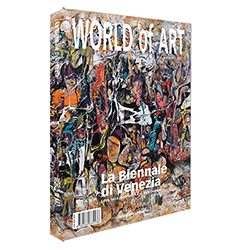
World of Art -
Contemporary Art Magazine
ISSUE 11 VOLUME 2 2021
Publisher WORLD OF ART (WOA)
Gatecover220 PAGE
10.8x8.4x0.8 in |29x21 cm
ISSN 1404-3408 | ISBN 9789189685321 |
|
|
|
|
|
 |
|
 |
|
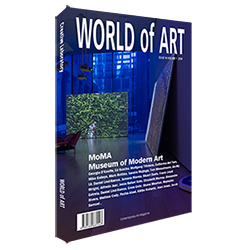 |
World of Art -
Contemporary Art Magazine
ISSUE 12 VOLUME 2 2022
Publisher WORLD OF ART (WOA)
Gatecover 20 PAGE
10.8x8.4x0.8 in |29x21 cm
ISSN 1404-3408 | ISBN 9789189685321 |
|
World of Art -
Contemporary Art Magazine
ISSUE 13 VOLUME 1 2023
Publisher WORLD OF ART (WOA)
Gatecover 220 PAGE
10.8x8.4x0.8 in |29x21 cm
ISSN 1404-3408 | ISBN 9789189685321 |
|
World of Art -
Contemporary Art Magazine
ISSUE 14 VOLUME 1 2024
Publisher WORLD OF ART (WOA)
Gatecover220 PAGE
10.8x8.4x0.8 in |29x21 cm
ISSN 1404-3408 | ISBN 9789189685543 |
|
|
|
|
|